
Living With In-Laws: Faith, Boundaries, and Emotional Balance
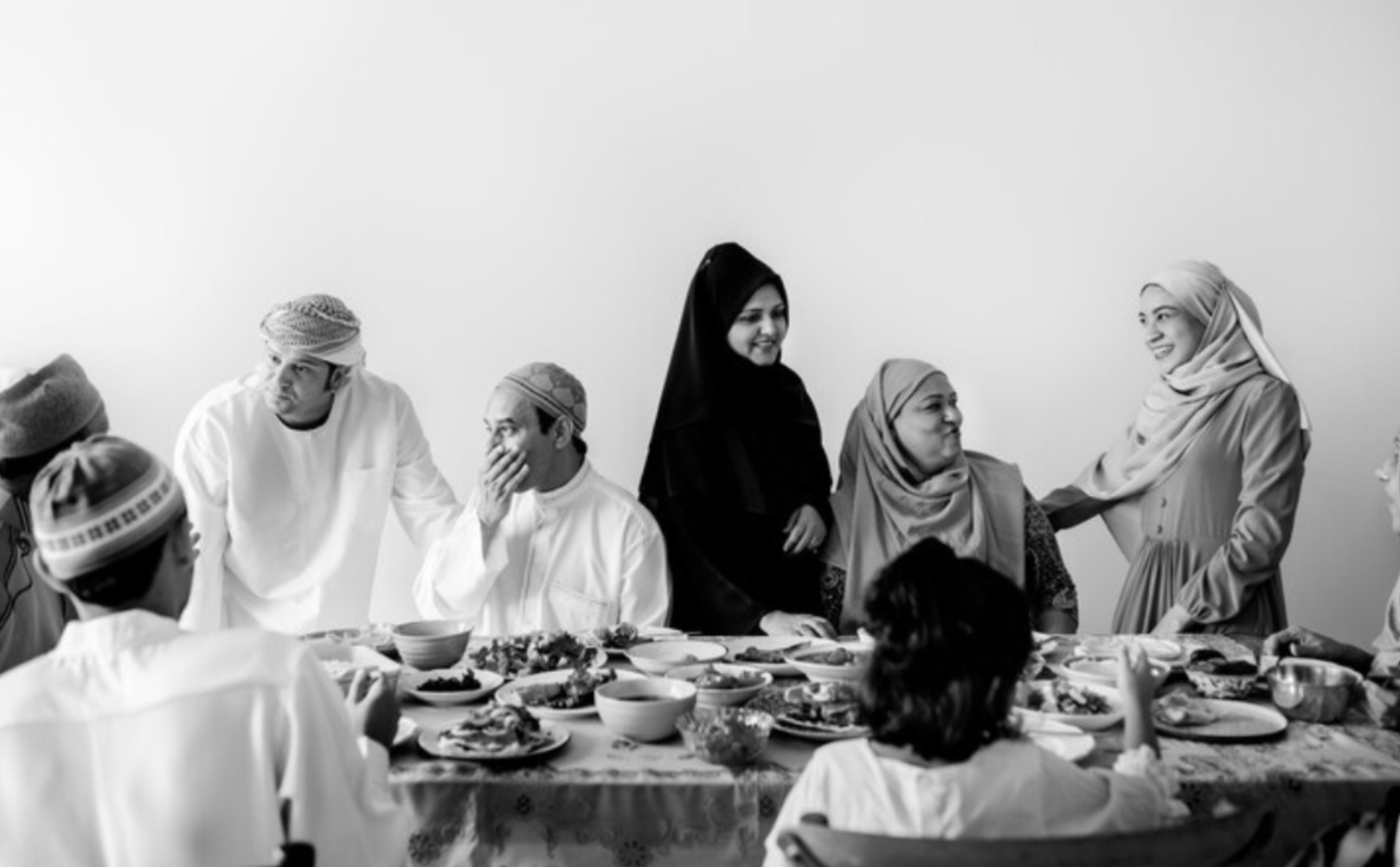
Living with in-laws is often described by wives as either a blessing or a burden, but for most people, it’s a mix of both. It can be loving, supportive, and grounded in family values, while also feeling emotionally heavy at times. Not because anyone is intentionally doing something wrong, but because sharing a home requires constant adjustment. Different routines, expectations, and communication styles can quietly take a toll—especially when there isn’t much room to fully relax or just be yourself.
Many women feel anxious in these situations not because of open conflict, but because they’re always conforming. You’re sharing space that doesn’t fully feel like your own. You’re watching your tone, filtering your reactions, managing how you come across. Over time, that kind of self-monitoring can be exhausting. Feeling overwhelmed in this environment doesn’t mean you’re ungrateful or lacking patience. It means you’re human, navigating a complex family system while trying to protect your emotional well-being.
Islam doesn’t dismiss this need for emotional safety. In fact, Allah (SWT) reminds us that marriage is meant to be a source of peace and comfort: “And among His signs is that He created for you spouses that you may find tranquility (sukoon) in them, and He placed between you affection and mercy” (Surah Ar-Rum 30:21). Tranquility isn’t meant to be postponed or sacrificed indefinitely—it’s meant to be nurtured.
From an Islamic perspective, obligations are structured in a way that protects this tranquility. After marriage, a person’s responsibilities become split between their nuclear family and their extended one including maintaining kindness and ties with extended family (silat al-rahm) (2). Islam honors parents deeply and even prioritizes them in ceratin ways, but it does not permit the marital relationship to be neglected or harmed in the process. This balance is intentional and protective.
This distinction becomes especially important when living with in-laws. A wife is expected to show respect, kindness, and good character toward her in-laws, which is an intrinsic part of Islamic ethics, good character and duty. Yet, it bears mentioning that caring for the in-laws is the son’s Islamic responsibility towards his parents, not the wife’s obligation (2). Many women help out of love or cultural values, and that generosity can be beautiful—but it should come from choice, not pressure or undue expectations. Respect is required; servitude is not. When these roles are blurred, resentment can quietly build, even in otherwise loving homes.
Another important thing to remember is that assertiveness is not disrespect. Speaking honestly about your needs, limits, and emotions—calmly and with good manners—is not “being difficult”. It’s being emotionally mature. Islam encourages wisdom in speech, not silence that leads to burnout. The expectation that a daughter-in-law should be endlessly patient, never affected, and always accommodating are misplaced. You weren’t created to perform a role you can’t sustain long-term. Healthy relationships work best when you remain authentic, not when you shrink yourself to keep the peace.
Communication can truly change a lot. Talking openly with your spouse about how certain dynamics affect you can strengthen your marriage and prevent misunderstandings. Respectfully sharing concerns with in-laws can also soften hearts and create understanding—often people don’t realize how their words or habits are landing until it’s gently expressed. But communication doesn’t guarantee understanding. Sometimes, even when you’ve spoken with care and respect, things don’t shift.
This is where boundaries become essential, particularly for mental health. Research consistently shows that chronic anxiety often stems from unclear expectations, lack of autonomy, and difficulty setting boundaries within family systems (3,5). Boundaries are not punishments or ultimatums—they are tools for protecting emotional well-being. Discuss expectations openly instead of guessing. Nobody is a mind reader. Conversations about what you need versus what you can realistically give help reduce resentment and emotional exhaustion.
When children are involved, parenting must remain a partnership between mother and father. Advice from elders can be valuable and well-intentioned, but the final say belongs to the parents. Clear boundaries here help protect not only the marriage, but the emotional environment children grow up in (4).
There is also a beautiful teaching from Imam al-Sajjad(p), narrated by Imam Muhammad al-Baqir (p), that offers deeply relevant guidance for family relationships—especially when living with in-laws. He taught that when we interact with others, we should intentionally view elders as parents, younger people as children, and peers as siblings. Approaching people through this lens naturally softens the heart. It encourages patience, compassion, and restraint in moments of tension, making it harder to speak harshly or hold grudges.
When applied to living with in-laws, this perspective can be grounding. Seeing a father-in-law or mother-in-law through a parental lens can help foster respect and empathy, even when differences arise. Viewing siblings-in-law as brothers or sisters can reduce competition, comparison, or emotional distance. This mindset does not mean overlooking harm or ignoring boundaries, but rather approaching interactions with dignity and intention rather than defensiveness.
At the same time, the Imam (p) warned against spiritual arrogance—the subtle belief that patience, endurance, or silence makes us morally superior. This reminder is especially important in family life. Enduring difficulty does not give anyone license to feel above others, nor does it require remaining in situations that quietly erode emotional well-being. True faith holds both humility and self-awareness. It allows space for kindness and for boundaries, reminding us that preserving compassion should never require losing ourselves in the process.
And when you’ve communicated, remained respectful, set reasonable boundaries, and still feel unheard or emotionally unsafe, it’s fair to consider living separately. This isn’t a decision to make lightly, especially in cultures where multigenerational living is deeply valued. But peace within marriage and mental health are not luxuries. Creating space can sometimes protect relationships rather than damage them.
Living with in-laws isn’t about getting everything right. It’s about finding balance—respect without self-betrayal, patience without silence, and faith that leaves room for emotional care.
References:
The Qur’an, Surah Ar-Rum (30:21).
Al-Sistani, Sayyid Ali. Islamic rulings on marital rights and family obligations.
Available at: https://www.sistani.orgAmerican Psychological Association (APA). (2020). Healthy boundaries and family relationships.
https://www.apa.orgGottman Institute. (2019). Putting marriage first while honoring extended family.
https://www.gottman.comNational Alliance on Mental Illness (NAMI). Anxiety and stress within family systems.
https://www.nami.orgAl-Islam.org. Narrations of Imam Zayn al-ʿAbidin (AS) and Imam Muhammad al-Baqir (AS) on interpersonal relationships and humility.
https://www.al-islam.org
